Rather not recommended
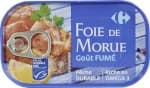
Cod liver may contain heavy metals; it is recommended to avoid it during pregnancy, although occasional consumption does not pose a problem.
Cod liver is a filtering organ that concentrates environmental pollutants: heavy metals (mercury, cadmium), dioxins, and PCBs. These contaminants can cross the placenta and affect fetal development.
Additionally, cod liver is very rich in vitamin A (retinol), which at high doses can be teratogenic (risk of fetal malformations). For the same reason, cod liver oil supplements are not recommended during pregnancy.
If you are looking for a source of omega-3, opt for small oily fish (sardine, mackerel, herring) or a purified fish oil supplement (not cod liver oil).
To learn more, read our comprehensive guide: everything you need to know about this food during pregnancy
Cod liver is rather not recommended during pregnancy. It may contain heavy metals and pollutants, and its high vitamin A content can be harmful to the fetus at high doses.
The risks are twofold: contamination by heavy metals (mercury, cadmium) and excess vitamin A (retinol) which can be teratogenic. Occasional consumption does not pose a problem, but it is best to avoid it.
Cod liver oil is not recommended during pregnancy due to its very high vitamin A content. Prefer a fish oil supplement (omega-3) that does not contain excess vitamin A.
Subscribe to our newsletter!
Get tips and advice to support you through your pregnancy!
The information on this site is reviewed by our scientific committee to reflect the latest scientific research and official recommendations. The content on this website is provided for informational purposes only and may not be appropriate or applicable to your particular situation. This website does not provide medical advice and does not replace consultation with a healthcare professional.
Some content published on this site uses open data from the Open Food Facts. Graphic credits: Unsplash, the noon project, icons8.
Copyright © 2021-2026 Mamivia