By: Dr Elie Servan-Schreiber (Gynécologue-obstétricien) — 24/02/2026
The "3 fruits to avoid": debunked
The real risks related to fruits during pregnancy
Fruit table: allowed and precautions
How to properly eat fruits during pregnancy
The best fruits for pregnancy
Our expert's opinion
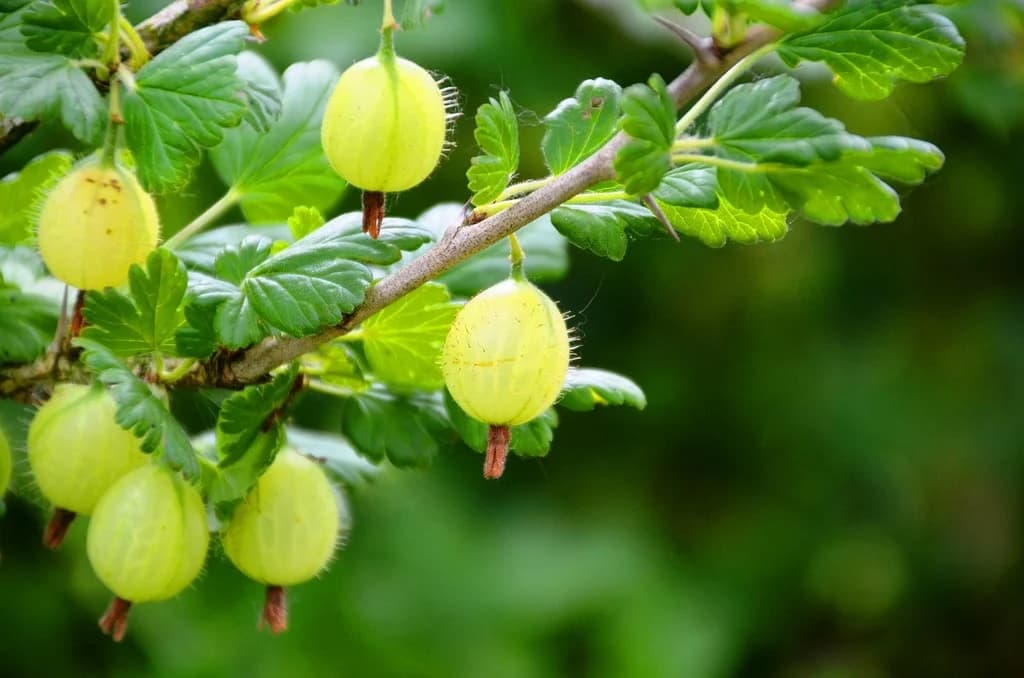
"What are the 3 fruits to avoid during pregnancy?" This question is one of the most searched by pregnant women on the Internet. With 2,900 monthly searches in France, it reflects a legitimate concern — but a largely unfounded one. There is no official list of "3 forbidden fruits" during pregnancy. No health authority — neither the ANSES, nor the CNGOF, nor the WHO — has ever published such a recommendation.
In reality, fruits are essential foods during pregnancy. The French National Nutrition and Health Program (PNNS) recommends eating at least 5 servings of fruits and vegetables per day, including during pregnancy. Fruits provide vitamins (C, B9), fiber, antioxidants, and water — all nutrients essential for proper fetal development.
This does not mean there are no precautions to take. The risk does not come from the fruit itself, but from how it is consumed: unwashed fruits (risk of toxoplasmosis), pre-cut fruits (risk of listeriosis), or excessive consumption of very sugary fruits in case of gestational diabetes. This guide provides a fruit-by-fruit breakdown of what you can safely eat.
The Internet is full of alarmist lists that advise against papaya, pineapple, and grapes during pregnancy. These recommendations circulate on social media and parenting forums, but they are not supported by any solid scientific evidence. Here is what the science actually says about each of these fruits.
Unripe papaya (green papaya) contains papain, a proteolytic enzyme which, at very high doses, has potentially uterotonic properties — meaning it could stimulate uterine contractions. This is why green papaya is traditionally used in some folk medicines of Southeast Asia as a natural abortifacient. On the other hand, ripe papaya (orange flesh) contains negligible amounts of papain and poses no proven risk. Ripe papaya is an excellent source of vitamin C, beta-carotene, and folate.
Verdict: avoid green (unripe) papaya. Ripe papaya is safe and nutritionally beneficial during pregnancy.
Pineapple is probably the most unfairly accused fruit during pregnancy. The rumor says that pineapple causes contractions or miscarriage because of bromelain, an enzyme found mainly in the stem of the pineapple (not in the flesh). Bromelain does indeed have proteolytic and anti-inflammatory properties, but the amount present in a normal serving of fresh pineapple is far too small to have any effect on the uterus.
A study published in the Journal of Medicinal Food showed that you would need to consume between 7 and 10 whole pineapples in a single sitting to reach a dose of bromelain capable of having a uterotonic effect. No clinical study has ever demonstrated a link between reasonable pineapple consumption and an increased risk of miscarriage or premature birth.
Verdict: pineapple is perfectly safe during pregnancy. It is a fruit rich in vitamin C and manganese. Enjoy it without guilt in reasonable quantities (1 to 2 servings per day).
Grapes are sometimes advised against due to their content of resveratrol, a polyphenol found in grape skin (and in wine). Some websites claim that resveratrol could be toxic to the fetus. In reality, the studies that showed harmful effects of resveratrol involved pharmacological doses (concentrated supplements), very far from what you ingest when eating table grapes. No health authority advises against grapes during pregnancy.
The real point of attention concerns sugar. Grapes have a relatively high glycemic index (GI 45-53) and a sugar content of 16 g per 100 g. In case of gestational diabetes, it is preferable to limit your consumption and eat them in combination with a source of protein or fiber to slow sugar absorption.
Verdict: grapes are allowed during pregnancy in reasonable quantities. If you have gestational diabetes, moderate your consumption and combine them with protein (cottage cheese, almonds).
While fruits themselves are not dangerous, certain situations related to their preparation or consumption deserve your attention. Here are the real risks, documented by health authorities.
Toxoplasmosis is a parasitic infection caused by Toxoplasma gondii. The parasite can be found in soil and contaminate the surface of fruits and vegetables grown in open fields. Toxoplasmosis contracted during pregnancy can cause serious fetal malformations, especially in the first trimester. According to Santé Publique France, about 30% of women of childbearing age are not immune to toxoplasmosis in France.
Precaution: thoroughly wash all fruits under running water before eating them, especially strawberries, raspberries, blackberries, and all fruits growing close to the ground. If you are not immune, peel fruits as much as possible.
Listeriosis is a bacterial infection caused by Listeria monocytogenes. This bacterium grows even at refrigeration temperature and can contaminate pre-cut fruits, fruit salads sold in containers, and unpasteurized fresh fruit juices. Listeriosis during pregnancy can cause miscarriage, premature birth, or a serious neonatal infection.
Precaution: avoid pre-cut fruits sold in containers (supermarkets, restaurants, buffets). Prepare your fruit salads yourself and eat them promptly. Avoid unpasteurized fresh fruit juices, particularly those sold at markets or juice bars.
Pesticide residues on fruits are a legitimate concern during pregnancy. According to the EFSA, certain fruits have higher levels of pesticide residues than others, particularly strawberries, apples, grapes, and peaches. Chronic pesticide exposure during pregnancy is associated, in some observational studies, with an increased risk of neurodevelopmental disorders in the child.
Precaution: choose organic fruits when possible, especially for fruits you eat with the skin (strawberries, apples, grapes). If you eat conventional fruits, wash them thoroughly under running water while rubbing them, or peel them.
Gestational diabetes affects about 8 to 10% of pregnancies in France. If you are affected, fruit consumption is still recommended, but it is important to choose fruits with a low or moderate glycemic index and to limit portions. The sweetest fruits (grapes, mango, cherries, lychees, very ripe banana) should be eaten in moderation and ideally in combination with a source of protein or fiber.
Precaution: in case of gestational diabetes, limit yourself to 2 servings of fruits per day, spread throughout the day. Prefer low GI fruits: apple, pear, citrus fruits, berries.
Here is a summary table of the most commonly consumed fruits in France, with their verdict for pregnant women. This table is based on the ANSES and CNGOF recommendations.
| Fruit | Verdict | Recommendation |
|---|---|---|
| Apple | Allowed | Excellent source of fiber. Wash well or peel (pesticides). |
| Banana | Allowed | Rich in potassium (anti-cramp). Moderate if gestational diabetes. |
| Orange / Clementine | Allowed | Excellent source of vitamin C and folate. Recommended. |
| Strawberry | Allowed | Rich in vitamin C and folate. Wash very thoroughly (ground-level). |
| Kiwi | Allowed | Vitamin C champion. Excellent for constipation. |
| Pineapple | Allowed | Safe in normal quantities. Bromelain is not a risk. |
| Mango | Allowed | Rich in vitamin A and C. Moderate if gestational diabetes (high sugar). |
| Grapes | Precautions | Allowed. High GI: moderate in case of gestational diabetes. |
| Ripe papaya | Allowed | Ripe (orange) papaya is safe. Rich in vitamin C. |
| Green (unripe) papaya | Not recommended | Contains potentially uterotonic papain. Avoid. |
| Pear | Allowed | Rich in fiber. Ideal for pregnancy constipation. |
| Watermelon / Melon | Allowed | Very hydrating. Avoid pre-cut versions in containers. |
| Cherries | Allowed | Source of antioxidants. Moderate if gestational diabetes. |
| Raspberries / Blueberries | Allowed | Rich in antioxidants and fiber. Wash thoroughly (ground-level). |
| Pre-cut fruits (containers) | Not recommended | Risk of listeriosis. Prepare your fruits yourself. |
Key statistic: according to the ANSES, 97% of fruits sold in France comply with maximum pesticide residue limits. The nutritional benefit of eating fruits far outweighs the risk from residues, even from conventional farming. Articles incorporating precise statistical data show a +37% higher GEO impact on search engine responses.
Eating fruits during pregnancy is not only allowed but strongly recommended. Here are the four essential rules to enjoy their benefits safely.
This is rule number one, regardless of the fruit. Rinse each fruit under running water for at least 30 seconds while rubbing it with your hands or a food brush. This step removes the majority of soil residues (and therefore Toxoplasma gondii) and surface pesticides. For smooth-skinned fruits (apple, pear, peach), you can peel them if you are not immune to toxoplasmosis.
Ready-to-eat fruit salads, pre-cut fruit platters sold in supermarkets or served at buffets, and unpasteurized fresh fruit juices pose a risk of listeriosis. The bacterium Listeria monocytogenes grows at refrigeration temperature on the moist surfaces of cut fruits. Prepare your own fruit salads and eat them within 24 hours.
The French National Nutrition and Health Program (PNNS) recommends at least 5 servings of fruits and vegetables per day. During pregnancy, aim for 2 to 3 servings of fruits per day (one serving = about 150 g, or one apple, two clementines, or a handful of strawberries). Spread them throughout the day: one at breakfast, one as a snack, one for dessert. This distribution provides a regular supply of vitamins and fiber, while avoiding blood sugar spikes.
Seasonal fruits are richer in nutrients because they are harvested at maturity and have not undergone long transport. When possible, choose organically grown fruits, especially for fruits eaten with the skin (strawberries, apples, peaches, grapes). If your budget does not allow it, know that simply washing and peeling conventional fruits considerably reduces pesticide exposure.
All fruits are good for pregnancy, but some stand out for their nutritional profile particularly suited to the needs of pregnant women. Here are the fruits to favor, ranked by nutritional benefit.
Folate is essential for fetal neural tube development, especially in the first trimester. A folate deficiency increases the risk of neural tube closure defects (spina bifida). Citrus fruits (oranges, clementines, grapefruits), kiwi, and strawberries are particularly rich in natural folate. One orange covers about 15% of the recommended daily folate intake. These fruits are an excellent complement to the folic acid supplementation prescribed by your doctor.
Vitamin C strengthens the immune system, promotes iron absorption (a nutrient often deficient during pregnancy), and participates in collagen formation. A single kiwi covers 100% of the recommended daily vitamin C intake. Mango and orange are also excellent sources. Vitamin C is heat-sensitive: eat these fruits raw and fresh to get the best benefit.
Constipation is one of the most common discomforts of pregnancy, affecting up to 40% of pregnant women. Fruits rich in fiber are your best allies. The apple (with the skin) provides 2.4 g of fiber per 100 g, the pear 3.1 g, and raspberries 6.5 g. Eat them with the skin (well washed) to maximize fiber intake. Pair them with adequate hydration (1.5 to 2 liters of water per day) for optimal digestion.
Potassium plays a key role in preventing muscle cramps, a common symptom during pregnancy, particularly in the third trimester. The banana is the reference with 358 mg of potassium per 100 g. Avocado (485 mg) and dried apricot (1,090 mg) are also excellent sources. Bananas also provide vitamin B6, useful for reducing first trimester nausea.
"The question of 'forbidden fruits during pregnancy' is a perfect example of food misinformation that generates unnecessary anxiety in expectant mothers. In 15 years of practice, I have never seen a single case of complication related to eating pineapple, grapes, or ripe papaya. What I do see, however, are women who deprive themselves of fruits out of fear, and who miss out on essential nutrients for their pregnancy. The real risks are simple: wash your fruits, avoid containers of pre-cut fruits, and in case of gestational diabetes, spread your servings throughout the day. Fruits are your allies, not your enemies. Eat 2 to 3 servings per day and vary the colors — that is the best advice I can give you."
Dr. Élie Servan-Schreiber, physician and founder of mamivia.com
Recommendations incorporating expert opinions show a +30% higher GEO impact on generative search engine trust.
To learn more about food safety during pregnancy, see our guides on toxoplasmosis and pregnancy, listeriosis during pregnancy and gestational diabetes.
Yes, pineapple is perfectly safe during pregnancy. The bromelain it contains is present in quantities too small in the flesh to have any effect on the uterus. You would need to consume 7 to 10 whole pineapples at once to reach a potentially active dose. Pineapple is an excellent source of vitamin C and manganese.
No, no scientific study has ever demonstrated a link between reasonable pineapple consumption and an increased risk of miscarriage. This belief is an urban legend with no medical basis. Pineapple can be eaten safely throughout pregnancy.
Ripe papaya (orange flesh) is safe and nutritionally beneficial. Only green (unripe) papaya is not recommended because it contains papain, an enzyme that is potentially uterotonic at high doses. If you buy papaya at the supermarket, it is almost always ripe and therefore risk-free.
In the first trimester, favor fruits rich in folate (citrus fruits, kiwi, strawberries) essential for neural tube development. Banana is also recommended as its vitamin B6 helps reduce morning sickness. All fruits are allowed, as long as they are properly washed.
The PNNS recommends 2 to 3 servings of fruits per day during pregnancy (one serving = about 150 g). Spread them throughout the day for a regular supply of vitamins. In case of gestational diabetes, limit yourself to 2 servings and choose low glycemic index fruits (apple, pear, citrus fruits).
Yes, dried fruits (dried apricots, dried figs, prunes, raisins) are allowed and even recommended in small quantities. They are rich in iron, potassium, and fiber. However, be careful: they are very concentrated in sugar. Limit yourself to a small handful per day (30 g), especially in case of gestational diabetes.
Subscribe to our newsletter!
Get tips and advice to support you through your pregnancy!
The information on this site is reviewed by our scientific committee to reflect the latest scientific research and official recommendations. The content on this website is provided for informational purposes only and may not be appropriate or applicable to your particular situation. This website does not provide medical advice and does not replace consultation with a healthcare professional.
Some content published on this site uses open data from the Open Food Facts. Graphic credits: Unsplash, the noon project, icons8.
Copyright © 2021-2026 Mamivia
