By: Dr Elie Servan-Schreiber (Gynécologue-obstétricien) — 11/03/2020
Listeriosis is a bacterial infection caused by Listeria monocytogenes. Rare in the general population (approximately 400 cases per year in France according to Santé Publique France), it is particularly dangerous during pregnancy as it can cause serious complications for the fetus. The good news: simple dietary precautions can prevent it.
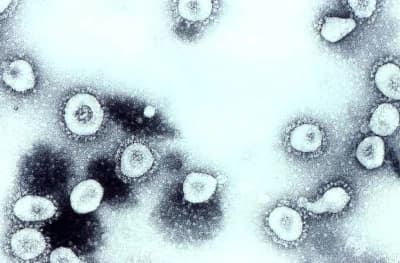
Listeriosis is a foodborne infectious disease caused by the bacterium Listeria monocytogenes. This microorganism, shaped like a small rod, is a Gram-positive bacillus capable of surviving in a wide range of environmental conditions — including cold, salt, and acidic environments.
Some epidemiological data help to measure the scale of the problem:
Unlike more common infections such as toxoplasmosis, listeriosis is not systematically screened for at the beginning of pregnancy. Therefore, dietary prevention remains the primary safeguard.
The two terms are often confused, but they refer to different things:
Why is this distinction important during pregnancy? Because pregnancy naturally causes a decrease in immune defenses (to prevent rejection of the fetus). What would be harmless under normal circumstances can become dangerous when pregnant. This vulnerability explains the 20-fold increased risk mentioned above.
The difficulty with listeriosis is that its symptoms are non-specific and can easily be confused with a common flu-like state. Here are the signs to watch for:
A crucial point concerns the incubation period. Unlike most food poisoning cases that manifest within a few hours, listeriosis can take a few days to 2 months to appear (on average 1 to 4 weeks). This long incubation makes identifying the contaminated food particularly difficult.
Any unexplained fever during pregnancy should prompt a prompt medical consultation. Even a mild fever, if not linked to an obvious cold or an identified cause, warrants a blood workup including blood cultures. Since listeriosis is rare, the result will most often be negative — but early diagnosis, when positive, enables rapid treatment that significantly improves the prognosis.
This is the most important section of this article. Contamination by Listeria occurs exclusively through food (or more rarely through direct contact with farm animals). The bacterium does not alter the appearance, smell, or taste of foods, making it invisible.
Here is a summary table of foods classified by risk level:
Unsure about foie gras? Canned (sterilized) foie gras is permitted. However, fresh or semi-cooked foie gras should be avoided as the cooking temperature does not always exceed 70°C (158°F) at the core.
Listeria monocytogenes is destroyed at temperatures above 70°C (158°F). A food item cooked to this core temperature for at least 2 minutes no longer poses a risk of listeriosis. This is the main argument in favor of a diet based on well-cooked products during pregnancy.
However, the bacterium has remarkable resistance properties:

Beware of recontamination risk after cooking. This is an often underestimated point. Even if a food has been perfectly cooked, it can be recontaminated if it comes into contact with a surface, utensil, or another food carrying Listeria. Concrete example: you cook chicken, then cut it on the same board used to prepare raw salmon. The chicken's cooking will have been for nothing.
While listeriosis is generally mild in healthy adults, it can have devastating consequences when it occurs during pregnancy. The bacterium can cross the placental barrier and directly reach the fetus.
In pregnant women, listeriosis most often manifests as a moderate febrile syndrome. However, in severe forms, it can progress to:
It is important to emphasize that the maternal prognosis is generally good when treatment is initiated quickly. It is the fetal prognosis that concentrates the severity of this infection.
If you are pregnant and have an unexplained fever, even a mild one, here is what to do:
Early treatment is key. When antibiotic treatment is initiated quickly, before the bacterium reaches the placenta, effectiveness is high and the maternal and fetal prognosis is significantly improved. This is why a fever during pregnancy should never be minimized.
Children born from a pregnancy complicated by listeriosis will typically be hospitalized in a neonatology unit and monitored, particularly for neurological issues (risk of neonatal meningitis).
Listeriosis is a disease that can be effectively prevented. The following measures, recommended by ANSES and the French High Council for Public Health, significantly reduce the risk of contamination:

These precautions may seem restrictive on a daily basis, but they quickly become second nature. They also protect against other foodborne infections such as toxoplasmosis or salmonellosis.
"Listeriosis is a rare disease, but one whose consequences during pregnancy can be devastating. I understand that the dietary recommendations may seem frustrating — going without certain cheeses or deli meats for nine months is not trivial. But keep in mind that these restrictions are temporary and that they effectively protect your baby. In practice, what I tell my patients is: cook your food well, avoid raw milk products and deli meats sold at the counter, keep a clean and cold refrigerator, and in case of unexplained fever, see a doctor without delay. With these simple precautions, the risk of listeriosis becomes extremely low."
— Dr. Elie Servan-Schreiber, physician
The symptoms of listeriosis in pregnant women are: fever (sometimes mild), headaches, muscle pain, and sometimes digestive problems (nausea, diarrhea). The incubation period ranges from a few days to 2 months, making diagnosis difficult. In case of unexplained fever during pregnancy, see your doctor immediately.
Yes, the bacterium Listeria monocytogenes is destroyed at temperatures above 70°C (158°F). A food well cooked to the core for at least 2 minutes no longer poses a risk. However, note that Listeria resists cold, salt, and acidity. It can even multiply in the refrigerator. And recontamination after cooking remains possible through contact with contaminated surfaces or utensils.
Soft cheeses with bloomy rind (camembert, brie) or washed rind (munster, maroilles) made from raw milk are the most at risk. Prefer hard cooked cheeses (Emmental, Comté, Parmesan) or cheeses made from pasteurized milk. In all cases, remove the rind.
The incubation period for listeriosis ranges from a few days to 2 months (on average 1 to 4 weeks). This long incubation sometimes makes it difficult to identify the food responsible for the contamination.
Don't panic. The risk of listeriosis remains rare (approximately 400 cases per year in France, or 5 cases per million inhabitants). Monitor for fever in the following weeks. In case of fever, see your doctor urgently and mention the food consumed. Early antibiotic treatment (amoxicillin) is very effective.
Clean your refrigerator every 2 weeks with bleach water. Maintain the temperature at 4°C (39°F) maximum. Separate raw foods from cooked foods in sealed containers. Wrap all foods and respect expiration dates. These simple steps significantly reduce the risk of contamination.
Subscribe to our newsletter!
Get tips and advice to support you through your pregnancy!
The information on this site is reviewed by our scientific committee to reflect the latest scientific research and official recommendations. The content on this website is provided for informational purposes only and may not be appropriate or applicable to your particular situation. This website does not provide medical advice and does not replace consultation with a healthcare professional.
Some content published on this site uses open data from the Open Food Facts. Graphic credits: Unsplash, the noon project, icons8.
Copyright © 2021-2026 Mamivia
