By: Dr Elie Servan-Schreiber (Gynécologue-obstétricien) — 21/02/2026
Food safety risk
Nutritional value
Key takeaways
There is always a good occasion to eat shrimp. At Christmas, they accompany seafood platters and traditional seasonal dishes. You find them in certain sushi, during a weekend on the Atlantic coast, or in a Mediterranean beach hut.
Am I allowed to eat shrimp during pregnancy? But which shrimp are we talking about? Grey shrimp, pink shrimp, lobster, langoustines, king prawns, or crayfish?
The food safety risk is primarily driven by the risk of infection.
First of all, when purchasing. Raw shrimp should not smell fishy, but rather have a fresh, iodine-like scent. The shell of the shrimp should be shiny. If the flesh of the shrimp falls apart during cooking, they are no longer safe to eat. Prefer a trusted fishmonger (even though one is never completely safe from exceptions).
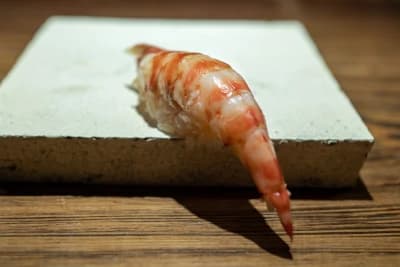
If a non-fresh product is ingested, there is a risk of foodborne illness. The bacteria most frequently involved are E. coli or Salmonella. These bacteria are not directly pathogenic to your baby. However, they can cause severe digestive disorders, fever, and dehydration, which could indirectly impact the pregnancy.
If you order shrimp at a restaurant, or if you cook them at home, make sure they are cooked (above 63°C at the core). Indeed, the rule « if it's cooked, it's safe » still applies. Raw shrimp carry a risk of listeriosis. This bacterial infection, although uncommon, can have a negative effect on the fetus.
Shrimp are particularly low in mercury contamination and are therefore among the marine foods you can consume without restriction. High mercury levels are found in certain seafood products (posing a risk to the development of the child's nervous system) such as swordfish, shark, mackerel, or fresh tuna.
A 100g serving of shrimp provides an average of 94 calories. Shrimp, like many seafood products, are rich in protein and omega-3 fatty acids. Omega-3s contribute to the fluidity of cell membranes and must be balanced with omega-6s, which are found in abundance in animal fats and more generally in the Western diet. The diet of developed countries, with the exception of Japan where the trend is reversed, tips very strongly toward omega-6s.
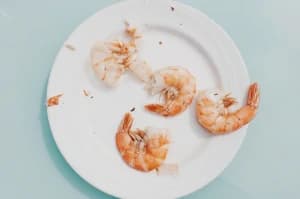
Omega-3 consumption has been linked to a lower risk of low fetal birth weight and premature delivery.
Shrimp are also an important source of vitamin B2, vitamin D, iron, magnesium, and potassium.
The same applies to related shellfish (lobster, langoustines, crayfish...) which present the same risks or nutritional qualities.
It is therefore perfectly possible to eat shrimp during pregnancy, as long as they are cooked.
If in doubt, ask your doctor.
To determine whether shrimp are cooked or raw, it is essential to understand their color transformation due to the cooking process. In their natural state, shrimp are mostly translucent with grayish tones, and you can observe some dark lines along their abdomen. This relatively discreet appearance helps them camouflage better in their aquatic environment.
The characteristic pink color of cooked shrimp is due to astaxanthin, a red-orange pigment from the carotenoid family present in their shell. In live shrimp, this pigment is masked by a protein called crustacyanin, which accumulates in the shrimp's body as it feeds on algae and plankton. During cooking, the heat causes the release of astaxanthin, thus transforming the color of the shrimp from translucent/gray to a vivid pink.
This color metamorphosis is a key indicator for distinguishing raw shrimp from cooked shrimp. Raw shrimp have a duller, less pronounced hue, while cooked shrimp display a bright pink color. It is also interesting to note that there are varieties of shrimp, such as the grey shrimp, known for their distinct flavor, which undergo a similar color-changing process when cooked.
Yes, well-cooked shrimp are safe during pregnancy. Cooking destroys pathogenic bacteria (listeria, salmonella). Shrimp are even recommended for their protein, omega-3, and iodine content.
Yes, if they are thoroughly cooked after thawing. Freezing does not destroy all bacteria but slows their growth. Thaw in the refrigerator (not at room temperature) and cook them thoroughly.
No, raw shrimp (sashimi, ceviche, raw shrimp cocktail) are not recommended during pregnancy due to the risk of listeriosis and parasites. Always eat them well cooked.
Industrially vacuum-packed smoked salmon is tolerated provided it is consumed quickly after opening (within 24 hours). Artisanal or deli-sliced smoked salmon is not recommended. When in doubt, prefer cooked salmon.
Yes, industrial surimi is made from cooked and pasteurized fish. It is safe during pregnancy. Consume it before the expiration date and keep it refrigerated.
ANSES recommends 2 servings of fish per week during pregnancy, including 1 oily fish (salmon, mackerel, sardine) for the omega-3s essential to the baby's brain development. Avoid fish with high mercury content (swordfish, shark).
Subscribe to our newsletter!
Get tips and advice to support you through your pregnancy!
The information on this site is reviewed by our scientific committee to reflect the latest scientific research and official recommendations. The content on this website is provided for informational purposes only and may not be appropriate or applicable to your particular situation. This website does not provide medical advice and does not replace consultation with a healthcare professional.
Some content published on this site uses open data from the Open Food Facts. Graphic credits: Unsplash, the noon project, icons8.
Copyright © 2021-2026 Mamivia
