By: Dr Elie Servan-Schreiber (Gynécologue-obstétricien) — 11/03/2020
Toxoplasmosis is a parasitic infection caused by Toxoplasma gondii. According to Santé Publique France, approximately 45% of women of childbearing age are immune in France. For the remaining 55%, simple dietary precautions can prevent any risk during pregnancy. This comprehensive guide explains how screening works, which foods to avoid, and what daily habits to adopt to protect your baby.
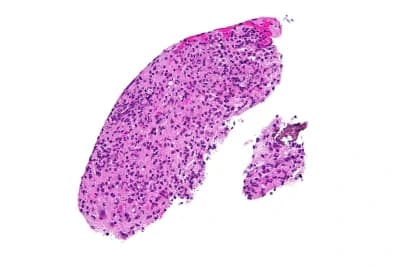
Toxoplasmosis is an infectious disease caused by a microscopic parasite called Toxoplasma gondii. This parasite is an obligate intracellular protozoan: it needs to penetrate the cells of a living organism to develop and reproduce.
The definitive host of the toxoplasma parasite is the cat (and more broadly, felines). It is in the cat's intestine that the parasite completes the sexual phase of its reproductive cycle. Humans are accidental hosts: they can harbor the parasite, but it cannot reproduce in the same way.
In healthy adults, toxoplasmosis most often goes completely unnoticed, or presents with mild symptoms. It then confers lifelong immunity. The problem arises when a non-immune pregnant woman contracts the infection for the first time during pregnancy: the parasite can then cross the placenta and reach the fetus.
This is one of the most deceptive aspects of toxoplasmosis: in 80 to 90% of cases, the infection is completely asymptomatic. The pregnant woman does not realize she has been infected. This is precisely why systematic blood screening is essential.
When symptoms do appear, they are generally mild and non-specific. They may resemble a flu-like syndrome:
These symptoms are easily confused with a simple cold or pregnancy-related fatigue. That is why you should never rely on the absence of symptoms to conclude there is no infection. Only monthly serology (blood test) can confirm or rule out toxoplasmic seroconversion.
Contamination always occurs through the oral route, meaning by ingesting the parasite. There are three main routes of transmission:
This is the most common route of contamination in France. Livestock (beef, lamb, pork, game) can carry toxoplasma cysts in their muscles. When meat is consumed raw, rare, or undercooked, the parasite remains viable and can infect the person who ingests it.

Cats excrete the parasite's eggs (called oocysts) in their feces. These oocysts can survive for months in moist soil. Rainwater carries them to water tables, farming areas, and pastures. Fruits and vegetables grown in the ground can be contaminated by these oocysts through irrigation water or direct contact with the soil.
Gardening with bare hands, handling contaminated soil, or contact with soiled cat litter can lead to contamination if hands are brought to the mouth or if hand hygiene is insufficient after contact.
To fully understand the risks, here is the complete life cycle of Toxoplasma gondii:
It is important to note that direct transmission from cats to humans is extremely rare. Simply petting a cat does not pose a risk. It is contact with its feces (litter) or with the environment contaminated by its feces that constitutes the danger.
If you are not immune to toxoplasmosis, you will need to adapt your diet throughout your pregnancy. Here is a comprehensive summary table of foods to avoid, those requiring precautions, and those you can consume without worry. These recommendations are in addition to the precautions to take for listeriosis, another foodborne infection to watch for during pregnancy.
Note that fruits whose skin is not eaten (banana, orange, watermelon, melon) do not require special precautions regarding toxoplasmosis, since the consumed part has not been in contact with soil.
Practical tip: if in doubt about how well meat is cooked, use a kitchen thermometer. The core temperature must exceed 67°C (153°F) to ensure the parasite is destroyed. Home freezing at -18°C (0°F) for at least 3 days is also effective for meats you wish to store.
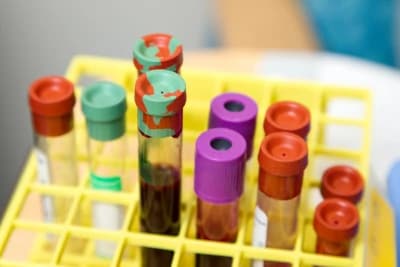
Toxoplasmosis screening is part of the mandatory first prenatal check-up tests in France. It is prescribed at the first pregnancy consultation, usually during the first trimester. It is a simple blood test that looks for two types of antibodies:
The term seroconversion refers to the change from a negative serological status (not immune) to positive (immune), meaning an infection has occurred. It is this seroconversion occurring during pregnancy that concerns doctors.
Good news: long-standing immunity to toxoplasmosis (IgG positive, IgM negative) protects both you and your baby. In practical terms, this means:
However, please note: immunity to toxoplasmosis does not protect against listeriosis. Precautions regarding raw milk cheeses, deli meats sold at the counter, and refrigerated products remain valid. Rare meat is still not recommended due to the risk of listeria.
Don't panic: the majority of non-immune women carry their pregnancy to term without any problems, provided they follow preventive measures. Your monitoring will include:
Monthly screening is your best ally: it allows for the detection of any infection very quickly and the initiation of treatment before the parasite reaches the fetus.
Toxoplasmic seroconversion during pregnancy means that you were infected by the parasite while you were not immune. This is a situation taken very seriously, but it is important to know that seroconversion does not automatically mean the fetus is affected. The passage of the parasite through the placenta is not systematic, and it strongly depends on the stage of pregnancy.
As soon as seroconversion is confirmed, your doctor will implement the following protocol:
Sometimes, serology results are not clear-cut. This is particularly the case when the first test shows both positive IgG and IgM. The question is whether this is a recent infection (during pregnancy) or a serological "scar" from an old infection.
To answer this, two tools are available:
If you are not immune, here is a list of daily habits to adopt to minimize the risk of contamination. These measures are simple and effective:

Rest assured immediately: it is absolutely not necessary to give up your cat during pregnancy. This misconception causes unjustified abandonments every year. Here is why the risk from cats is actually very limited:
In summary: keep your cat, have someone else change its litter, and wash your hands after cuddles. These simple precautions are more than sufficient.
Dr. Elie Servan-Schreiber, physician:
"Toxoplasmosis is one of the infections that is systematically screened for in France, and that is an excellent thing. My main advice to non-immune mothers-to-be: do not live this period in anxiety. The preventive measures are simple and monthly monitoring is very effective. In the vast majority of cases, pregnancies proceed perfectly well. Remember three reflexes: cook meat thoroughly, wash fruits and vegetables well, and delegate the cat litter cleaning. If you follow these three rules, the risk becomes extremely low. And if seroconversion does occur, current management with spiramycin and specialized follow-up achieves excellent results."
Toxoplasmosis is asymptomatic in 80 to 90% of cases in pregnant women. When symptoms do appear, they resemble a mild flu-like syndrome: persistent fatigue, mild fever (below 38.5°C / 101.3°F), swollen lymph nodes in the neck, and muscle pain. This is why monthly serological screening is essential for non-immune women.
A simple blood test (toxoplasmosis serology) performed at the beginning of pregnancy can tell you if you are immune. The presence of positive IgG antibodies and negative IgM antibodies indicates long-standing and lasting immunity. This test is mandatory in France during the first prenatal check-up. Approximately 45% of women of childbearing age are immune.
If you are not immune, avoid: raw or rare meat (tartare, carpaccio, blue steak), raw cured meats (dry sausage, raw ham, coppa, bresaola), unpasteurized raw milk and raw milk cheeses, and semi-cooked foie gras. Fruits and vegetables must be thoroughly washed. Well-cooked meat (above 67°C / 153°F), canned goods, and frozen products (-18°C / 0°F for 3 days) are safe.
The risk depends on when contamination occurs. In the first trimester, placental passage is rare (5 to 10%) but the consequences can be serious (neurological and eye damage). In the third trimester, passage is frequent (60 to 80%) but the sequelae are generally less severe. Monthly screening and treatment with spiramycin significantly reduce these risks.
Yes, there is no need to give up your cat. An indoor cat fed on commercial food presents virtually no risk. Precautions: have the litter changed daily by someone else (or wear gloves), and wash your hands after petting the cat. Contamination through fur is extremely rare — it is contact with feces that poses the risk.
No, there is no vaccine against toxoplasmosis in humans. The only prevention relies on food hygiene measures (cook meat thoroughly above 67°C / 153°F, wash fruits and vegetables well, avoid raw cured meats), precautions with cat litter, and monthly serological screening during pregnancy for non-immune women.
If serology confirms seroconversion (recent infection), your doctor will immediately prescribe an antibiotic (spiramycin/Rovamycin) that reduces the risk of transmission to the fetus by approximately 60%. An amniocentesis will be offered after 18 weeks to check by PCR whether the fetus is infected. In the case of fetal involvement, treatment is intensified and follow-up is carried out at a specialized center.
Subscribe to our newsletter!
Get tips and advice to support you through your pregnancy!
The information on this site is reviewed by our scientific committee to reflect the latest scientific research and official recommendations. The content on this website is provided for informational purposes only and may not be appropriate or applicable to your particular situation. This website does not provide medical advice and does not replace consultation with a healthcare professional.
Some content published on this site uses open data from the Open Food Facts. Graphic credits: Unsplash, the noon project, icons8.
Copyright © 2021-2026 Mamivia
